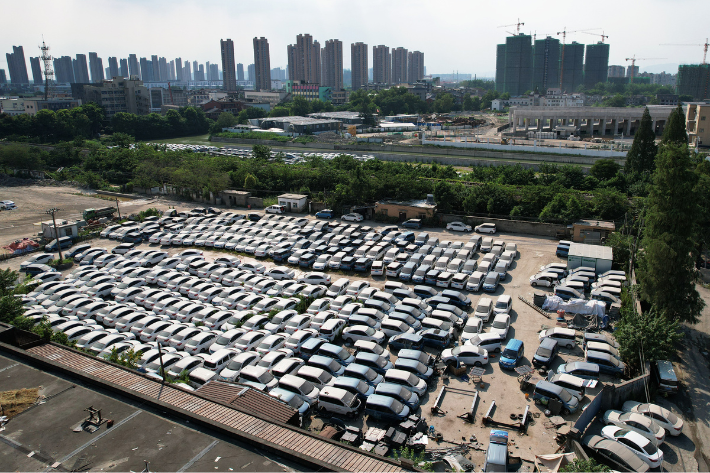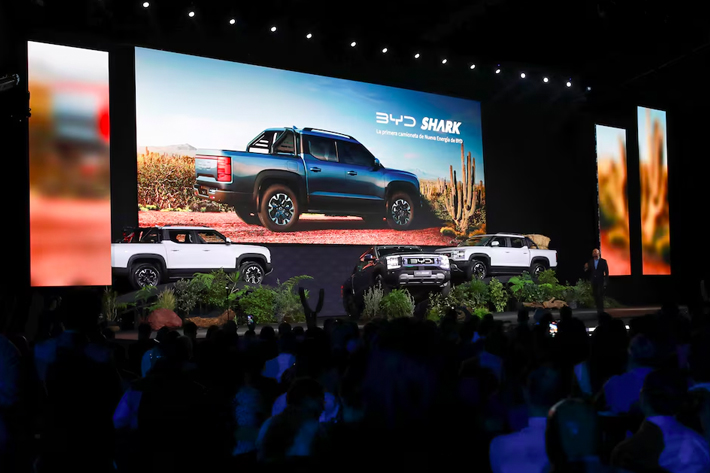
Senators in Mexico approved tariff hikes on Wednesday of up to 50% next year on imports from China and a handful of other Asian countries.
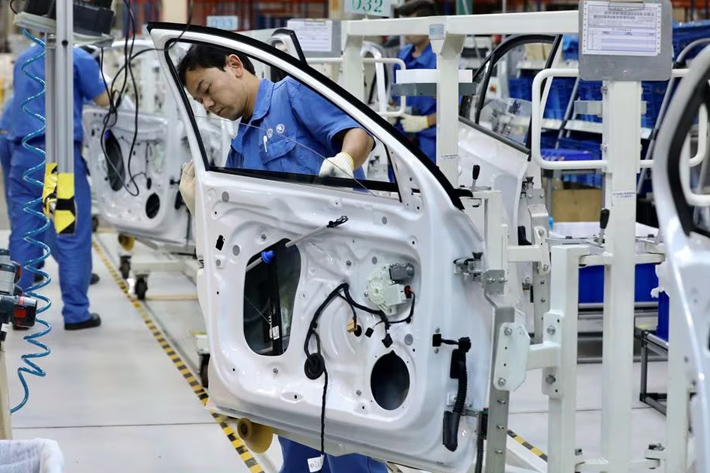
The move will raise or impose new duties of up to 50% on goods such as autos, auto parts, textiles, clothing, plastics and steel from countries without trade deals with Mexico, including China, India, South Korea, Thailand and Indonesia. But the majority of products will see tariffs of up to 35%.
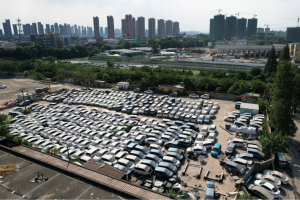
The tariff proposal, which was passed earlier by the lower house, is likely to have pleased Washington, which has been pressing Mexico to curtail business with China, because of the risk that Chinese autos and other cheap products would likely pose to US industries.
ALSO SEE: China’s ZTE Shares Sink on Report of $1bn Fine to US For Bribery
Mexico has said the proposed law, which was passed with 76 votes in favour, five against and 35 absentions, aims to bolster local industry, although the hikes were opposed by some business groups.
The approved bill is softer than one that stalled in the lower house this autumn, with tariffs on about 1,400 different product lines – mostly textiles, apparel, steel, auto parts, plastics and footwear – and reduced duties on roughly two-thirds of them compared with the original proposal.
China not happy
China’s Ministry of Commerce responded on Thursday, saying it would track Mexico’s new tariff regime and weigh its impact, but warned that such measures would “substantially undermine” the interests of trade.
“China has always opposed all forms of unilateral tariff increases and hopes Mexico will correct such unilateralist and protectionist practices as soon as possible,” the commerce ministry said.
When asked at a regular press briefing, a spokesperson for China’s Foreign Affairs Ministry said that “going against the tide of economic globalisation by pursuing protectionism is detrimental to others and yet does not benefit oneself”.
Analysts and the private sector say the move is aimed at appeasing the US ahead of the next review of the United States-Mexico-Canada trade agreement (USMCA), and that it is also intended to generate $3.76 billion in additional revenue next year as Mexico seeks to reduce its fiscal deficit.
“On the one hand, it protects certain local productive sectors that are at a disadvantage with respect to Chinese products. It also protects jobs,” said Mario Vazquez, a senator for the opposition PAN party.
However, “the tariff is an additional tax that citizens pay when they buy a product. And these are resources that go to the state. We would need to know what they are going to be used for. Hopefully, production chains in the country will be strengthened”, Vazquez said.
US wants Latin America to limit China ties
Emmanuel Reyes, a senator from the ruling Morena party, defended the measure.
“These adjustments will boost Mexican products in global supply chains and protect jobs in key sectors,” said Reyes, who is chairman of the Senate Economy Committee.
“This is not merely a revenue-raising tool, but rather a means of guiding economic and trade policy in the interest of general welfare,” he said.
Mexico had said in September that it would raise its tariff on automobiles and other goods from China and other Asian countries.
The United States has been pushing countries in Latin America to limit their economic ties with China, with which it competes for influence in the region.
- Reuters with additional input, editing by Jim Pollard
ALSO SEE:
Cars From China, Asia Now Face 50% Tariffs, Mexico Says
US Lowers Japan Auto Tariffs But Some Carmakers Will Still Hurt
India To Get China Rare Earths As Trump Tariffs Bring Rivals Close
Flood of Cheap Chinese EVs in Brazil Sparks a Backlash
US Tariff Pause Puts Heat on China+1 Trade Via SE Asia, Mexico
BYD Mexico Plant in Limbo as ‘China Fears EV Tech Leaking to US’
China’s BYD Gaining Greater Sales, May Outsell Ford, Honda
Trump Outlines Plan For New Tariffs on Canada, Mexico and China