India is considering a steep cut in tariffs on imports of European cars as the country inches closer to signing a trade deal with the bloc, Reuters has reported, citing sources briefed on their talks.
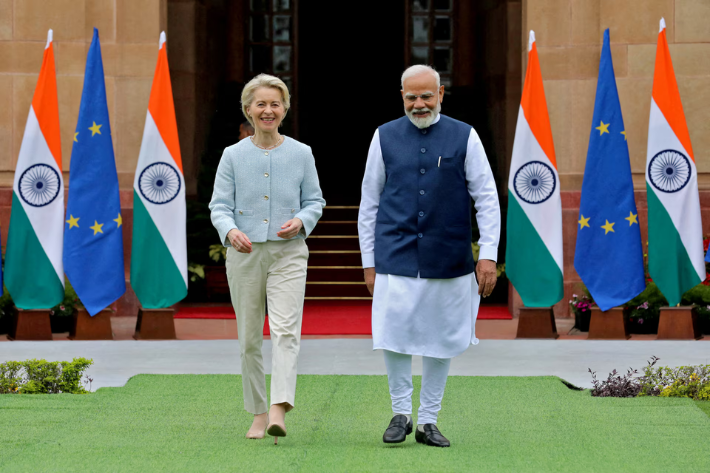
A trade delegation from the EU, including European Commission President Ursula von der Leyen, is in India currently for talks on a deal that has been in the works for more than a decade and could culminate in a free trade pact as early as Tuesday.
Cars and steel have, so far, been a key sticking point in their trade talks. The EU wants India to cut its huge import duties on EU cars, while India is concerned that its steel exports to the EU will be limited by the EU’s carbon border levy and safeguards lowering overall EU steel imports.
Also on AF: Half of Global C02 Emissions Come From 32 Companies
And a decision by India on lower import duties — that currently go as high as 110% — could bring both sides closer to sealing the pact, which has been called “the mother of all deals”.
Prime Minister Narendra Modi’s government has agreed to immediately reduce the tax on a limited number of cars from the 27-nation bloc with an import price of more than 15,000 euros ($17,739), two sources briefed on the talks told Reuters.
This will be further lowered to 10% over time, they added, easing access to the Indian market for European automakers such as Volkswagen, Mercedes-Benz and BMW.
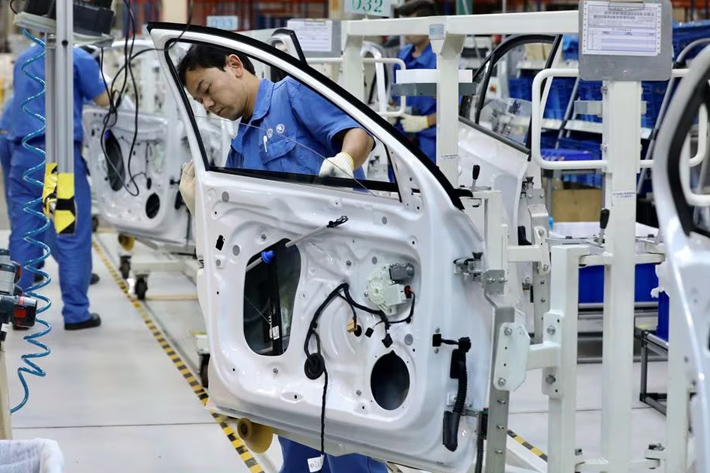
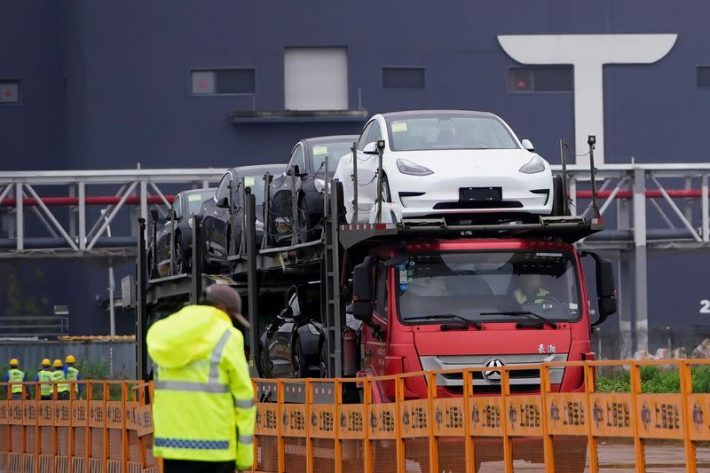
India is the world’s third-largest car market by sales after the US and China, but its domestic auto industry has been one of the most protected. New Delhi currently levies tariffs of 70% and 110% on imported cars, a level often criticised by executives, including Tesla chief Elon Musk.
New Delhi has proposed slashing import duties to 40% immediately for about 200,000 combustion-engine cars a year, one of the sources said, its most aggressive move yet to open up the sector. This quota could be subject to last-minute changes, the source added.
Battery electric vehicles will be excluded from import duty reductions for the first five years to protect investments by domestic players like Mahindra & Mahindra and Tata Motors in the nascent sector, the two sources said. After five years, EVs will enjoy similar duty cuts.
Local automakers in the lead
Lower import taxes will be a boost for European automakers such as Volkswagen, Renault and Stellantis, as well as luxury players Mercedes-Benz and BMW, which locally manufacture cars in India but have struggled to grow beyond a point, due in part to high tariffs.
Lower taxes will allow carmakers to sell imported vehicles for a cheaper price and test the market with a broader portfolio before committing to manufacturing more cars locally, one of the two sources said.
European carmakers currently hold a less than 4% share of India’s 4.4-million units a year car market, which is dominated by Japan’s Suzuki Motor, with homegrown brands Mahindra and Tata Motors, which together hold two-thirds.
With the Indian market expected to grow to 6 million units a year by 2030, some companies are already lining up new investment.
Renault is making a comeback in India with a new strategy as it seeks growth outside Europe, where Chinese carmakers are making strong inroads, and Volkswagen Group is finalising its next leg of investment in India through its Skoda brand.
‘Mother of all deals’
If concluded, the deal would open India’s vast and heavily protected consumer market of more than 1.4 billion people to European goods and could reshape global trade flows as protectionism rises.
The pact could also expand bilateral trade and lift Indian exports of goods such as textiles and jewellery, which have been hit by 50% US tariffs since late August.
The deal is seen as a chance for both sides to deepen economic ties and cut reliance on China and Russia. Bilateral trade between India and the EU totalled 120 billion euros ($140 billion) in 2024, making the bloc India’s biggest trading partner.
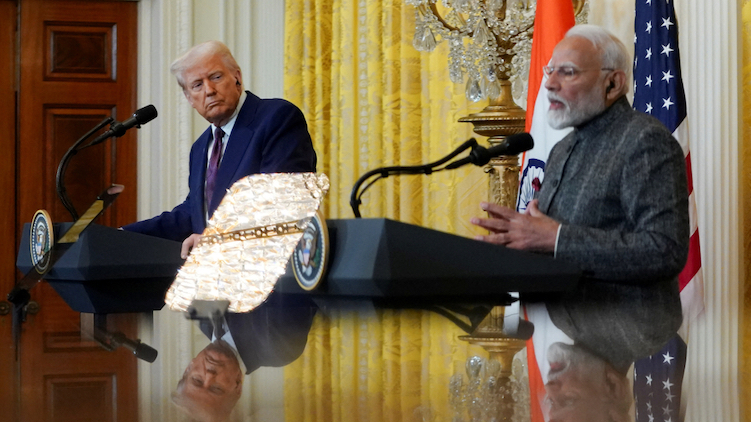
India’s talks on a US trade pact also collapsed last year after a breakdown in communication between the two governments. Both sides say negotiations continue, but are yet to reach an agreement.
Some sensitive agricultural items, meanwhile, have been excluded from negotiations, an Indian trade ministry official said last week.
India will not open its agriculture or dairy sectors in any trade pact, officials have said, citing the need to protect millions of subsistence farmers.
The EU is pushing for steep tariff cuts on cars, medical devices, wine, spirits and meat, along with stronger intellectual property rules. India is seeking duty-free access for labour-intensive goods and quicker recognition of its autos and electronics sectors.
Beyond goods, the agreement is expected to expand services trade, investment and cooperation in digital trade, intellectual property and green technologies, as well as spur European investment in Indian manufacturing, renewable energy and infrastructure.
The pact would be India’s ninth trade agreement in four years, reflecting New Delhi’s push to secure market access as global trade turns more protectionist. For the EU, the deal supports supply-chain diversification and reduces reliance on China, while tapping India’s fast-growing $4.2 trillion economy.
Key numbers
The EU is among India’s top trading partners, along with the United States and China, with total bilateral goods and services trade exceeding $190 billion in 2024/25. India exported about $76 billion in goods and $30 billion in services to the 27-nation bloc.
Average EU tariffs on Indian goods are relatively low at about 3.8%, but labour-intensive sectors such as textiles and garments face duties of around 10%, according to Global Trade Research Initiative, a Delhi-based think tank.
The FTA would help restore competitiveness lost after the EU began withdrawing tariff concessions under Generalised System of Preferences (GSP) in 2023, on products including garments, pharmaceuticals and machinery, and offset the impact of higher US tariffs.
EU exports to India, meanwhile, face much higher barriers, with a weighted-average tariff of about 9.3% on $60.7 billion of goods in 2024/25.
- Reuters, with additional editing and inputs from Vishakha Saxena
Also read:
Carney Leads Trade Shift From US, to China, India, Australia
EU-India Free-Trade Deal Could be Signed This Month, Merz Says
India ‘Could Face Higher Tariffs if Russian Oil Buying Continues’
Japan’s Sumitomo Realty Bets on Mumbai’s Booming Real Estate
EU To Reject India Demand For Carbon Tax Exemption — FT
India’s Green Transition In A Chokehold
Asia’s Billion-Dollar Carbon Boom?
India’s Big Plans To Decarbonise Industries Struggle To Take Off
India Plans Countrywide Climate Insurance Amid $180bn Losses
A European Push Could Help India Fill Carbon Removal Gaps
New Tax Cuts To Accelerate India’s Shift To Solar, Wind Energy
India Renewable Power Output Jumps, Coal Use Falls in First Half
Trump’s 50% Tariffs on Indian Imports Hits Jobs, Bilateral Ties