New sanctions imposed by the United States on Russia’s two biggest oil producers appear to have had major impacts on importers in both India and China.
Industry and trade sources in India and China told Reuters on Thursday that major Indian refiners look set to comply with the Trump Administration’s sanctions, while state oil majors in China have also suspended purchases of seaborne Russian oil after the US imposed sanctions on Rosneft and Lukoil.
The Chinese move came after news that refiners in India, the largest buyer of seaborne Russian oil, were set to sharply cut their crude imports from Moscow, to comply with US sanctions imposed because of Moscow’s invasion of Ukraine.
ALSO SEE: Oil and Gas Firms, Governments Silent on Methane Leaks, UN Says
A sharp drop in oil demand from Russia’s two largest customers will put a strain on Moscow’s oil revenues and force the world’s top importers to seek alternative supplies and has already pushed up global prices.
Moves linked to US tariffs
Industry sources told Reuters that Reliance and state refiners are poised to sharply curtail imports of Russian oil. Such moves could potentially remove one of the biggest hurdles to a trade deal with the United States.
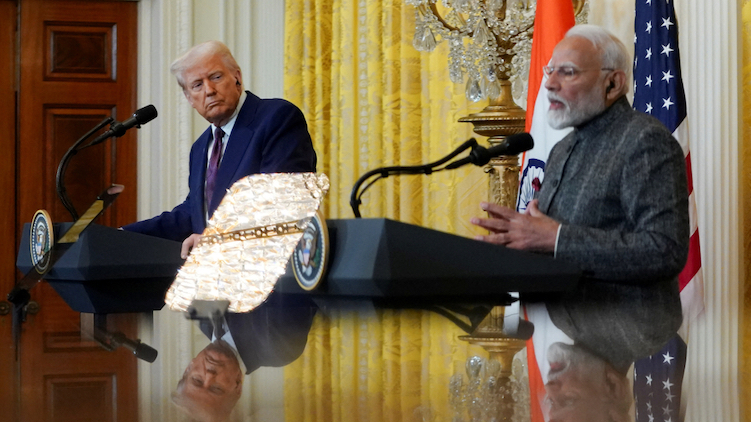
The change comes as India faces punishing 50% tariffs on its exports to the US – with half of those duties in retaliation for Russian oil purchases – and negotiates a potential trade deal that could bring those tariffs in line with Asian peers in exchange for winding down crude imports from Moscow.
India has emerged as the biggest buyer of discounted seaborne Russian crude in the aftermath of Moscow’s 2022 full-scale invasion of Ukraine, importing about 1.7 million barrels per day in the first nine months of this year.
Privately-owned Reliance Industries, the top Indian buyer of Russian crude, plans to reduce or halt completely its import of Russian oil, according to two sources familiar with the matter.
“Recalibration of Russian oil imports is ongoing and Reliance will be fully aligned to GOI (Government of India) guidelines,” a Reliance spokesman said in response to a query on whether the company plans to cut its crude imports from Russia.
Indian state refiners, including Indian Oil Corp, Bharat Petroleum Corp and Hindustan Petroleum Corp, are also reviewing their Russian oil trade documents to ensure no supply will be coming directly from Rosneft and Lukoil after the US sanctioned the oil companies, a source with direct knowledge of the matter said on Thursday.
India’s oil ministry and the state refiners did not immediately respond to requests for comment.
“There will be a massive cut. We don’t anticipate it will go to zero immediately as there will be some barrels coming into market” via intermediaries, a refinery source said, declining to be named as they were not authorised to speak with media.
Chinese oil majors ‘to avoid seaborne Russian oil’
Chinese national oil companies PetroChina, Sinopec, CNOOC and Zhenhua Oil will also refrain from dealing in seaborne Russian oil at least in the short-term due to concern over sanctions, the sources said. The four companies did not immediately respond to requests for comment.
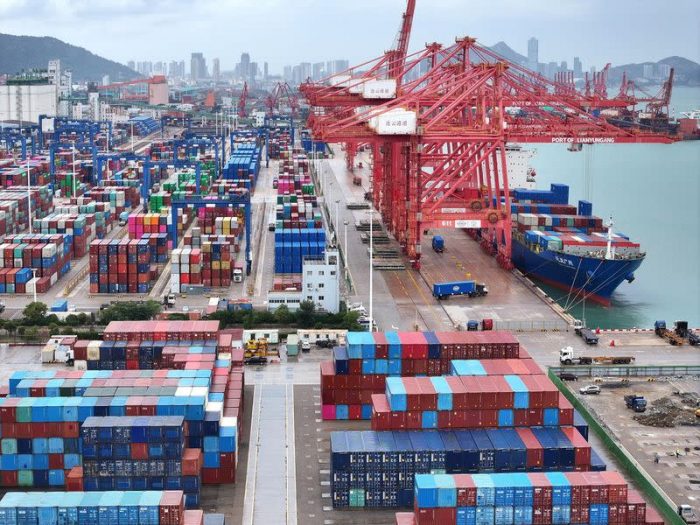
While China imports roughly 1.4 million barrels of Russian oil per day by sea, most of that is bought by independent refiners, including small operators known as ‘teapots’, although estimates of purchases by state refiners vary widely.
Vortexa Analytics pegged Russian oil purchases by Chinese state firms at under 250,000 barrels per day (bpd) for the first nine months of 2025, while consultancy Energy Aspects put it at 500,000 bpd.
Unipec, the trading arm of Sinopec, stopped Russian oil buying last week after Britain designated Rosneft and Lukoil, as well as shadow fleet ships and Chinese entities, including a major Chinese refiner, two trade sources said.
Rosneft and Lukoil sell most of their oil to China through intermediaries instead of directly dealing with buyers, traders said. Independent refiners, meanwhile, are likely to pause buying to assess the impact of sanctions but would still look to continue Russian oil purchases, several traders said.
Prior to Wednesday’s sanctions announcement, offers for November-loading ESPO crude slid to a premium of $1 per barrel to ICE Brent, versus previous trades done in early October at a $1.70 premium.
China also imports approximately 900,000 bpd of Russian oil by pipeline, all of it going to PetroChina, which several traders said was likely to be little affected by sanctions.
India and China are expected to turn to other supplies, pushing up prices for non-sanctioned oil from the Middle East, Africa and Latin America, traders said.
Trump frustrated with Putin
On Wednesday, US President Donald Trump imposed Ukraine-related sanctions on Russia for the first time in his second term, targeting Lukoil and Rosneft as his frustration grows with Russian President Vladimir Putin.
“If the Trump administration does indeed back today’s words by action, we anticipate that refiners seeking to retain access to US capital markets will forego Russian barrels,” RBC Capital analyst Helima Croft wrote in a note.
The US Treasury has given companies until November 21 to wind down their transactions with the Russian oil producers, according to a release on the sanctions on Wednesday.
“It all depends on banks,” another Indian refinery official said. “If banks clear payments then we will buy. Otherwise my intake will be zero.”
Reliance buying crude from other sources
Reliance, which is controlled by billionaire Mukesh Ambani and operates the world’s biggest refining complex at Jamnagar in western Gujarat state, has a long-term deal to buy nearly 500,000 bpd of crude oil from Russian oil major Rosneft. The refiner also buys Russian oil from intermediaries.
In recent days, Reliance has purchased spot crude cargoes from the Middle East and Brazil, which could be used to partly replace Russian supplies, traders said. It was seen in the market on Thursday scouting for supplies, said a Middle Eastern trader approached by Reliance.
One of the sources said that before the US move, Reliance was considering stopping Russian oil imports for the one of its two refineries that is export-focused due to a ban by the European Union on refined products produced from Russian oil that takes effect in January.
Indian refiner Nayara Energy, whose biggest shareholder is Rosneft, also buys oil from the Russian state company. Nayara did not immediately respond to a request for comment.
Indian state refiners rarely buy Russian oil directly from Rosneft and Lukoil as their purchases are typically made through intermediaries, trade sources said.
Brent crude futures extended gains, rising more than 3% on Thursday.
- Reuters with additional editing by Jim Pollard
NOTE: The headline and subhead on this report were amended and the text updated after news emerged on Oct 23, 2025 that most Chinese oil refiners will allegedly refrain from taking seaborne imports of Russian oil.
ALSO SEE:
India, US To Hold Talks Amid Heated Rhetoric From Washington
India Now Aiming To Finalise Trade Deal With US By November
India’s Modi ‘Avoiding Trump’s Phone Calls’ As Tariffs Hit: Reports
Trump’s 50% Tariffs on Indian Imports Hits Jobs, Bilateral Ties
India to Overhaul its GST, Slash Levies on Small Cars, Electronics
India’s Modi Joins Xi-Putin Push For Global South-Led World Order
India To Get China Rare Earths As Trump Tariffs Bring Rivals Close
Trump’s Tariffs Spur Calls to Boycott American Goods in India
India Wants US Ties With Mutual Respect, Says Arms Deals Still On
Trump Ramps Criticism of India: ‘Backing ‘Russian War Machine’