A new study has found that microplastics are impairing the oceans’ ability to absorb carbon dioxide – and hindering a process that scientists say is vital to limiting global warming and climate change.
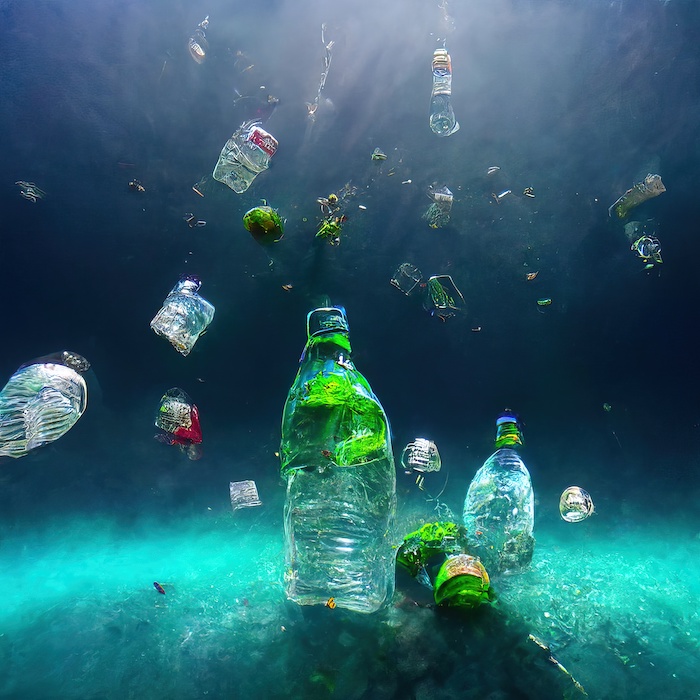
Microplastics – tiny pieces of plastic less than 5 millimetres in size – are now found almost everywhere on the planet, including in humans’ bodies. They are suspected to pose a threat to most living creatures, as well as disrupting ecosystems and harming aquatic life.
Researchers now say microplastics are not only polluting marine environments, but impairing their capacity to deal with global warming. With the amount of plastic discharged into the oceans predicted to reach hundreds of millions of tons a year by 2060, they say global action is needed to counter rising negative impacts on the planet.
ALSO SEE: Hyundai to Use Humanoid Robots at US Plant in Physical AI Push
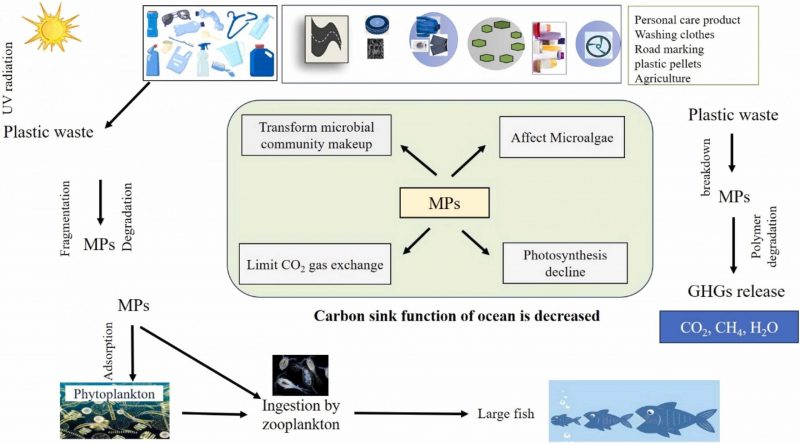
The study, published in the ‘Journal of Hazardous Materials: Plastics’, said microplastics disrupt a process called biological carbon pumping.
Microplastics “interfere with this process by reducing phytoplankton photosynthesis and impairing zooplankton metabolism,” it says. These are two key agents of carbon cycling.
They also emit greenhouse gases when degrading and interfere with the “plastisphere,” which it described as “an assembly of microbes in aquatic settings that form biofilms on surfaces.”
The plastisphere, it says, “is home to a variety of microorganisms, the majority of which are involved in biological processes like the nitrogen and carbon cycles.”
Dr Ihsanullah Obaidullah, an Associate Professor of Integrated Water Processing Technologies at the University of Sharjah and the study’s corresponding author, was quoted by the university’s website as saying microplastics are widely known as pollutants but their impact on climate change has received limited attention to date.

“Our study shows they also interfere with the oceans’ ability to absorb carbon dioxide, a process critical for regulating Earth’s temperature,” he said.
“Microplastics disrupt marine life, weaken the biological carbon pump, and even release greenhouse gases as they degrade. Over time, these changes could lead to ocean warming, acidification, and biodiversity loss, threatening food security and coastal communities worldwide.”
Dr Obaidullah said the study was a collaborative work involving scientists from China, Hong Kong, Pakistan and the United Arab Emirates.
‘Global action needed’
“We have highlighted an overlooked link between microplastics and climate change. We call for urgent global action to address this emerging threat.
“Oceans are Earth’s largest carbon sink,” Dr Ihsanullah said. “Microplastics are undermining this natural shield against climate change. Tackling plastic pollution is now part of the fight against global warming.”
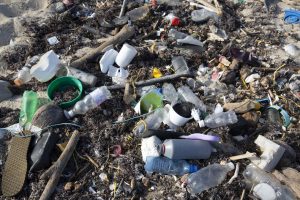
The study says there needs to be greater public awareness of the detrimental effects of plastic pollution.
“Lowering the manufacture of single-use plastics is a crucial first step in ecological restoration. Ghost nets, illegal fishing, and increases in sea levels are all hazards to marine life, but the subtle effects of ocean acidification continue to be an important concern,” it says.
Ocean acidification was “ignored by the Paris Agreement,” it said, “indicating an important shortcoming in international environmental policies.
“Governments around the world need to prioritize and address the growing problems caused by MP [microplastic] pollution, which greatly contributes to ocean acidification, rising temperatures and changes in the climate.
“This requires more awareness and concerted action. Future recommendations include implementing strict laws to reduce plastic waste and protect marine habitats, as well as conducting a thorough study to clarify the complex relationships between MPs [microplastics], ocean acidification, and climate change.”
- Jim Pollard
ALSO SEE:
Firms Underestimating Risks From Carbon-Fuelled Climate Change
Carbon Removals Not Growing Fast Enough For Climate Goals
Fossil Fuels Set to Drive Global Emissions to a Record, Yet Again
Firms May Abandon Net-Zero Plans Amid Carbon Offset Uncertainty
Spending on Global Energy Transition Well Under What’s Needed
2024 Was China’s Warmest Year Since 1961, Shanghai Roasted
Oil Giants Ditch Renewables, Double Down on Fossil Fuels
Saudi, Oil Producing States Block Hopes for UN Plastics Treaty
Call For Ban on Single-Use Plastics as UN Treaty Talks Restart
Pacific Islands Want ICC to Make Ecocide a Criminal Offence