Asian’s two biggest economies are at loggerheads again, after China ramped up its dispute with Japan by imposing a ban on dual-use items.
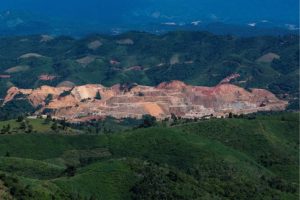
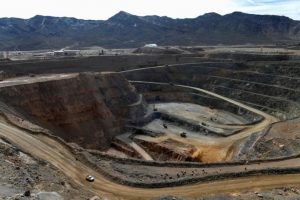
Dual-use items are goods, software, technologies or commodities that have both civilian and military uses. Rare earth elements, for example, are essential for making drones and chips.
Japan’s top government spokesperson said on Wednesday that China’s move was “absolutely unacceptable and deeply regrettable.”
ALSO SEE: China’s Banks Allowed to Extend Bulk Bad Loan Disposals for 2026
Japanese Prime Minister Sanae Takaichi touched off the dispute with Beijing late last year by saying a Chinese attack on democratically governed Taiwan could be deemed an existential threat to Japan that could trigger a collective self-defence response.
China’s President Xi Jinping, however, regards Taiwan as part of its territory, a claim that most of the island’s population appears to reject.
Beijing has demanded that Takaichi retract her remark, which she has not done, prompting a series of countermeasures, the latest of which was Tuesday’s ban on exports of dual-use items for military use.
“A measure such as this, targeting only our country, differs significantly from international practice, is absolutely unacceptable and deeply regrettable,” Japan’s Chief Cabinet Secretary Minoru Kihara told a daily press conference on Wednesday.
He declined to comment on the possible impact on Japanese industry, saying it remained unclear exactly what items would be targeted.
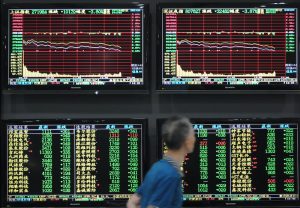
The reaction from markets to the news was relatively muted, although Japanese shares were lower on Wednesday, bucking a global trend that carried US and European benchmarks to record highs.
Japan’s broad Topix gauge of equities slid 0.55%, with a subindex of mining shares leading declines, down 3.2%.
Rare earth ban could hit car sector
China Daily, a newspaper owned by the ruling Chinese Communist Party, reported on Tuesday that Beijing was considering tightening the licence review of rare earth exports to Japan more broadly, citing sources with knowledge of the matter.
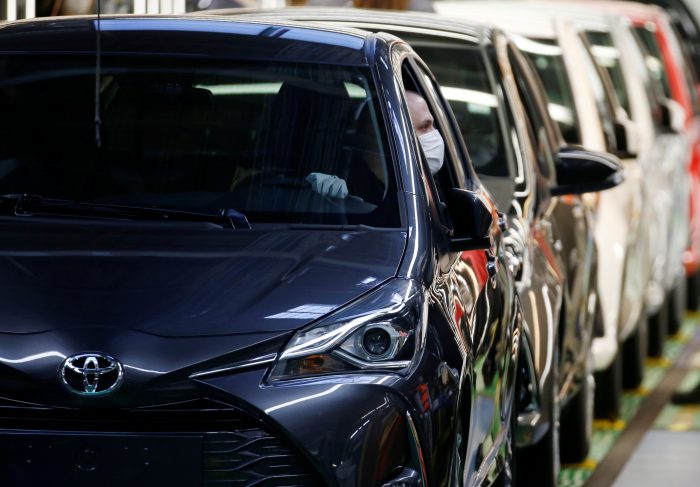
Such a move could have sweeping implications for the manufacturing powerhouse, including its key automotive sector, analysts say.
While Japan has sought to diversify its supply of rare earths since China last throttled exports of the minerals in 2010, around 60% of its imports still come from China.
A three-month curb on Chinese exports of rare earths, like that seen during 2010, could cost Japanese businesses 660 billion yen ($4.21 billion) and shave 0.11% of annual gross domestic product, Nomura Research Institute economist Takahide Kiuchi said in a note on Wednesday.
A year-long ban would knock 0.43% off GDP, he added.
So far, China Customs data has shown no sign of a decline in rare earth exports to Japan, though the data is released with some delay. In November, the latest month for which there was data, exports grew 35% to 305 metric tons, the highest tally last year.
- Reuters with additional editing by Jim Pollard
ALSO SEE:
Japan Set to Test Mining of ‘Rare Earth Mud’ From Deep Seabed
Vast Amount of Rare Metals Found Off Remote Japanese Isle
China Says It’ll Approve Rare Earth Licences For ‘Civilian Use’
China Ramps up Trade Pressure on Japan Over Taiwan Remark
Japan Signs Rare Earths, Nuclear Power Deal With Trump
China Curbs Rare Earth Exports to Defence Firms, Chipmakers
China’s Spat With Japan Derails Bid to Join CPTPP Trade Bloc
China Ramps up Trade Pressure on Japan Over Taiwan Remark
China Holds ‘Heavy’ Cards in High Stakes Rare Earth Power Play
Japan’s Economy Contracts as Car Exports Sink in 3rd Quarter