Japan has successfully removed rare earth minerals from the deep-sea bed near its easternmost island, the country’s prime minister revealed on Monday.
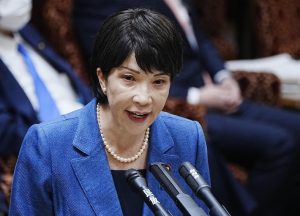
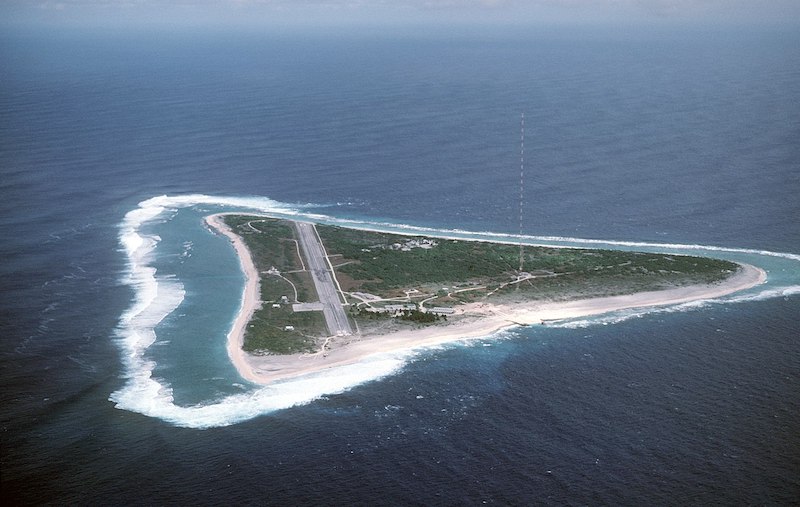
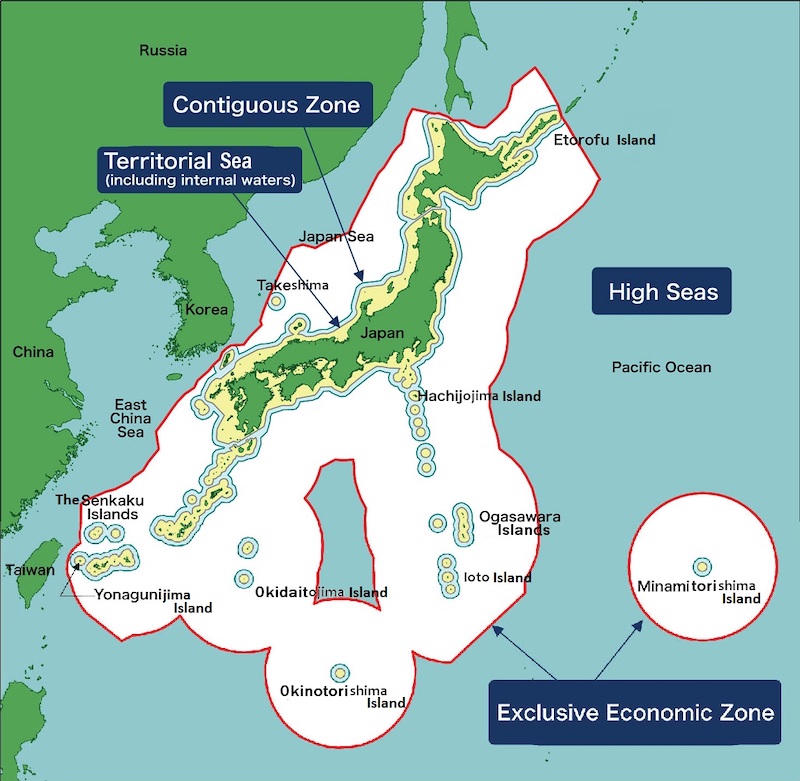
In a statement posted on X, PM Sanae Takaichi said the deep-sea drilling vessel Chikyu removed sediment containing rare earth minerals from an area near Minamitori-shima (Minamitori Island) at a depth of nearly 6,000 kilometres.
The test retrieval of rare earths from that depth — close to 20,000 feet below sea level — was a world first, she said.
ALSO SEE: China’s Property Outlook ‘Bleak,’ Despite End of ‘3 Red Lines’
“It is a first step toward industrialization of domestically produced rare earth in Japan,” Takaichi said. “We will make effort toward achieving resilient supply chains for rare earths and other critical minerals to avoid overdependence on a particular country.”
Deep-sea mining is a controversial issue to many environmentalists, who say that sediment spread from such activity could have serious negative impacts on marine life.
But Takaichi has played up the issue, because of tense relations with China, which imposed restrictions on ‘dual-use’ exports that could have potential military uses.
The move came after Takaichi made a remark in November about possible involvement if Beijing moves to take military action to seize Taiwan, which greatly angered Beijing.
Election on Sunday
She also faces an election on Sunday (February 8), which polls suggest she should win.
Researchers have been planning to retrieve minerals on the sea floor near Minamitori-shima after they were discovered over a decade ago.
“The successful retrieval of the sediment containing rare earth elements is a meaningful achievement from the perspectives of economic security and comprehensive ocean development,” Japan’s Deputy Chief Cabinet Secretary Masanao Ozaki said on Monday.
But he noted that Japan will need to determine if it is economically viable to develop rare earths that are separated from muddy sediment and refined.
Researchers on board the Chikyu arrived at the mining site about two weeks ago and the first batch of rare earth sediment was retrieved on Sunday (Feb 1), according to Japan’s Agency for Marine-Earth Science and Technology, which is conducting the survey.
The exercise is likely to have been monitored by Beijing as Chinese naval vessels have been spotted near Minamitori-shima, Japanese officials said.
- Jim Pollard
ALSO SEE:
Japan Set to Test Mining of ‘Rare Earth Mud’ From Deep Seabed
China Says It’ll Approve Rare Earth Licences For ‘Civilian Use’
China Ramps up Trade Pressure on Japan Over Taiwan Remark
Japan Signs Rare Earths, Nuclear Power Deal With Trump
China Holds ‘Heavy’ Cards in High Stakes Rare Earth Power Play
China Making Exports Of Rare Earth Magnets ‘Increasingly Difficult’
US May ‘Extend Tariff Truce’ If China Delays New Rare Earth Rule
China Did Not Agree to Military Use of Rare Earths, US Says
Carmakers Stressed by China’s Curbs on Critical Mineral Exports
China Export Curbs on Rare Earth Magnets: a Trade War Weapon
China Sets up Tracking System to Trace Its Rare Earth Magnets
China’s Critical Minerals Blockade Risks Global Chip Shortage
Lessons From Japan on Tackling China’s Rare Earth Dominance