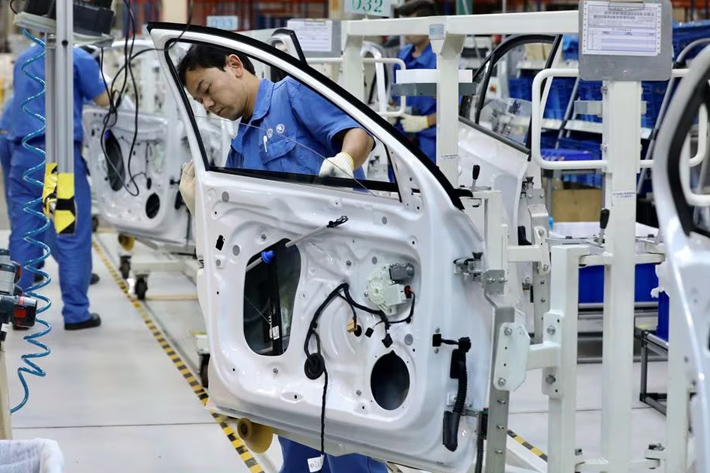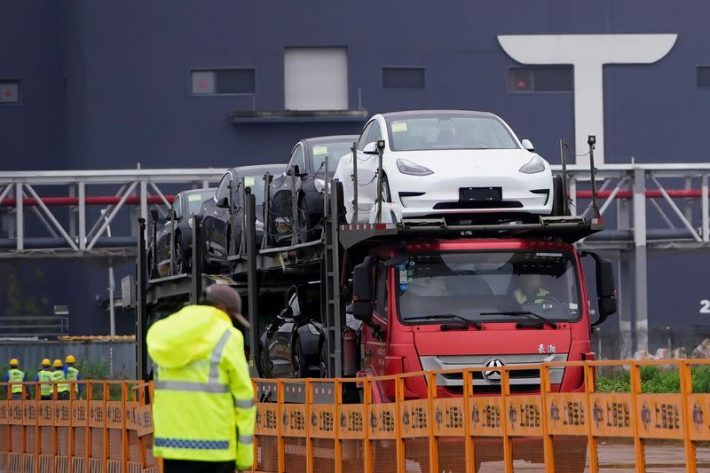
China’s regulators are mulling a crackdown on unfair pricing mechanisms in its auto industry— a move that could put an end to the aggressive price wars that have eroded margins and pushed manufacturers to the brink in one of its most important industries.
China’s market watchdog has proposed draft regulations to create a mechanism to flag risks associated with remarkably low prices.
Automakers and dealerships selling vehicles for less than cost through discounts, incentives or other methods would be exposed to major legal risks, the State Administration for Market Regulation said on Friday.
It did not specify the penalties for violations.
Also on AF: China’s Desert Greening Projects Altering its Water Table: Study
Automobile component manufacturers that unjustifiably raise prices when supply and demand imbalance strikes supply chains would also face action, the regulator said.
The regulator is seeking public comment until December 22.
Intense competition in China has hammered profitability for automakers, suppliers and dealers. The phenomenon is common in Chinese industry and has plagued other sectors like the solar industry.
Early this year, after the country’s biggest carmaker BYD announced unprecedented discounts on its electric vehicles and hybrids, several automakers raised the alarm on the race-to-the bottom on prices. BYD’s discounts reduced the starting price of its cheapest model to 55,800 yuan ($7,771.05).
The discounts sparked concerns about BYD’s already shrinking margins triggering a sharp fall in prices of the company’s Shenzhen-listed shares. The stock — which hit a record-high before the discounts — has not recovered since and is down nearly 30% for the year.
The rare public show of concern from rival carmakers, meanwhile, prompted regulators to call for a halt to a price war that is now in its third year.
Data early this year showed that the average time Chinese carmakers took to pay their suppliers and other short-term creditors widened to 108 days in 2024 from 99 days in 2019. The numbers point to a broad deterioration in key financial metrics over the past six years, highlighting the impact of a brutal price war.
BYD took an average of 127 days to pay suppliers and other short-term creditors, data showed.
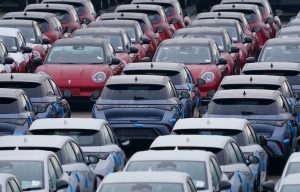
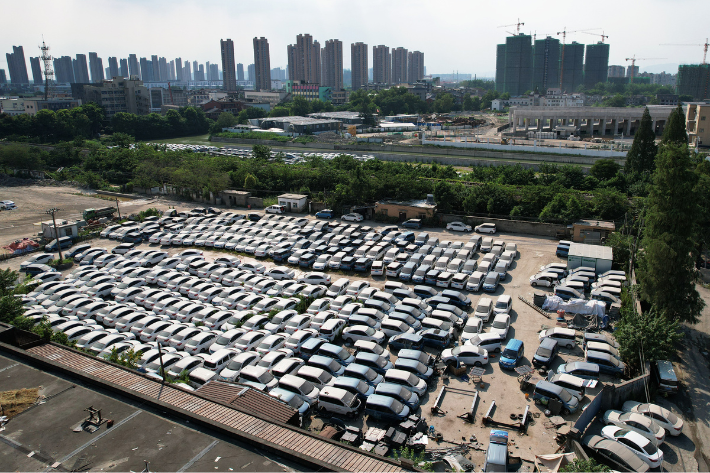
The price wars, combined with larger overcapacity in the Chinese EV industry have also led dealers to slash prices and sell vehicles at a loss. Some dealers have even resorted to recording unsold vehicles as ‘sold’ so they can qualify for factory rebates and bonuses, industry insiders told Reuters in September.
Just 30% of dealers are profitable, an August survey by the China Automobile Dealers Association (CADA) found.
On Friday, responding to the market regulator’s draft rules, the China Association of Automobile Manufacturers said the regulations will promote price transparency, maintain supply chain safety and stability and safeguard the long-term interests of consumers.
- Reuters, with additional editing and inputs from Vishakha Saxena
Also read:
The Cost of Making EVs is 50% Cheaper in China, VW Says – FT
China Flooding the World With Gasoline Cars, Far More Than EVs
China’s Policies Have Pushed Its Auto Industry Near to Collapse
Chinese EV Firms Invest More Abroad Than At Home For First Time
Beijing Says it Will Rein in EV Sector’s ‘Irrational’ Competition
Local Officials in China Backed Export of ‘Zero-Mileage Used Cars’
China’s Intense EV Price War Taking a Toll on Car Dealers
BYD’s Big Gains Give Chinese EV Rivals a Giant Headache
China Is Full Of New Car Graveyards