US President Donald Trump’s imposition of hefty tariffs on all trade partners has spurred a spurt of new trade alliances, which are beginning to rewire global dealings – away from the United States.
Washington’s closest neighbour, Canada, is a key mover in the rejig forced by the brusque and outspoken incumbent now in the White House.
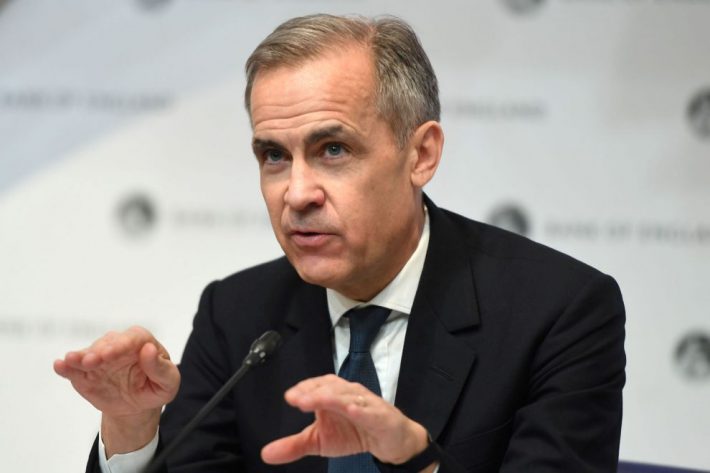
And today we learnt that PM Mark Carney is heading to Delhi and Canberra in March to ramp up his country’s diversification to more friendly “middle-power” trading partners.
ALSO SEE: Most Chinese Provinces Lifted Minimum Wages in 2025: SCMP
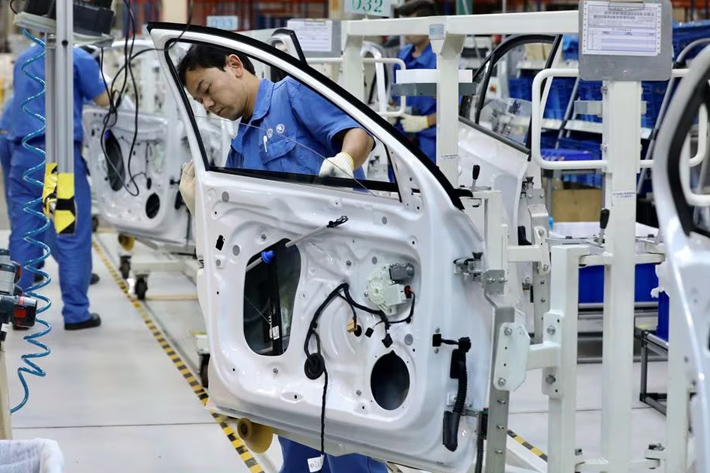
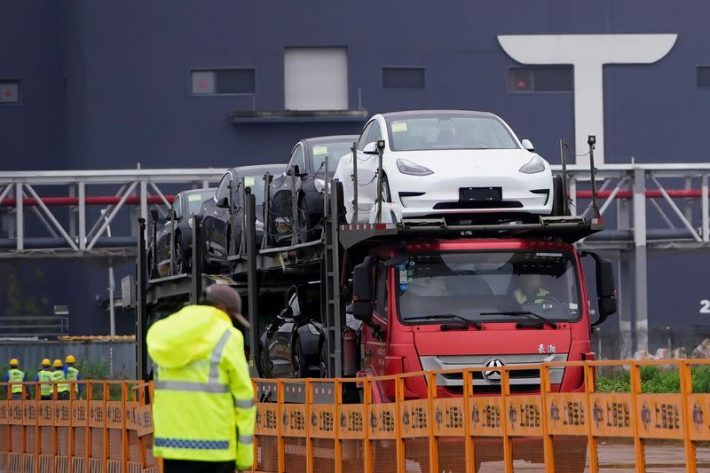
Carney was in Beijing in mid-January negotiating a “preliminary agreement” on selected goods worth between $3-7 billion – selling agricultural exports such as canola seed oil, lobsters, crabs and peas in return for a limited amount of electric vehicles (49,000 this year, rising to 70,000 by about 2030).
That may sound like a lot, but Ottawa says it represents just 3% of the local auto market.
Trump was upset by the trade agreement reached with China and threatened to slap a 100% tariff on Canadian exports if Carney “makes a deal” with Beijing.
Carney said on Sunday he respects the CUSMA agreement signed with the US and Mexico and has “no intention” of pursuing a free-trade deal with China.
However, he is keen to expand – perhaps double – Canada’s non-US exports over the next decade.
He also wants to reset ties with India after his predecessor Justin Trudeau accused New Delhi of being involved in the murder of a Sikh activist in 2023 (which India has denied).
India-Canada to do multiple deals
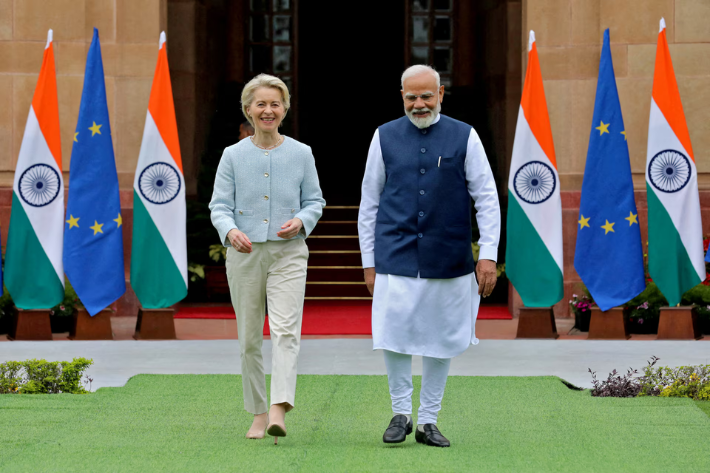
On Monday, a senior official in New Delhi told Reuters that the Canadian leader will visit in India in the first week of March to sign deals on uranium, energy, minerals and artificial intelligence.
Dinesh Patnaik, India’s High Commissioner to Canada, said formal talks on a Comprehensive Economic Partnership Agreement with India should start in March.
Carney is expected to sign a 10-year uranium supply deal with Delhi on nuclear energy, if it agrees to abide by International Energy Agency standards, as well as small agreements on oil and gas, the environment, AI, quantum computing, plus education and culture, the report said.
Patnaik said both countries were moving with a sense of urgency and he expected the pacts on critical minerals, oil and LNG transactions to be the most significant. He anticipated that a comprehensive deal could be agreed within a year.
But the court case in Canada over the killing of Sikh separatist Hardeep Singh Nijjar could be joepardise a comprehensive FTA, if evidence emerges that there were Indians involved, he was quoted as saying. That issue will be discussed when a top Indian security official visits Ottawa next month.
Meanwhile, Australian Prime Minister Anthony Albanese said on the weekend that Carney would visit Canberra in the same month (March) to address the federal parliament.
This flurry of developments suggests the well-qualified Canadian leader, who gave a memorable speech in Davos last week, has emerged as a sharp and nimble operator at a time of considerable global flux.
- Jim Pollard
ALSO SEE:
Trump Hails ‘Long-Term Deal’ on Greenland, But EU Pact in Limbo
Markets Rocked by Trump Tariff Threats to EU Over Greenland
EU Strikes a Pricey Deal With Trump to Avert a Trade War
Prabowo Central Bank Move Sends Indonesian Rupiah to New Low
Cybercrimes Now Reaping Trillions of Dollars a Year, UNODC Says
China, India See First Drop in Coal Power Use in Half a Century
China Posts Record $1.2 Trillion Trade Surplus Despite US Tariffs
Trump’s ‘Tariff on States Trading With Iran’ Could Kill China Truce
Bets on Snap Election Push Japanese Stocks to Record High
Unrest Widens in Iran: Internet Shut Amid Riots, Fires in Cities
Trump’s Venezuela Strike ‘May Embolden China’s Territorial Claims’