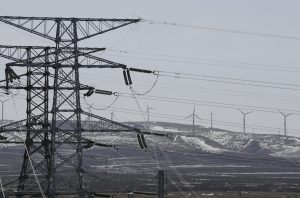
China will see its power generation from fossil fuel-linked plants fall for the first time in a decade this year, after a sharp turnaround in renewable energy use in November.
China’s fossil-fuelled power generation fell 4.2% year-on-year in November, statistics bureau data showed on Monday to reverse a 7.3% jump in October when power generation rose to the highest level in decades.
Fossil-fuelled power generation stood at 490 billion kilowatt-hours (kWh) in November, data showed.
Also on AF: China’s Desert Greening Projects Altering its Water Table: Study
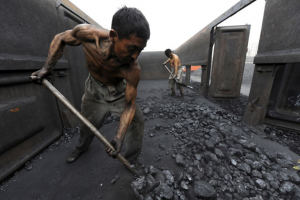
For the first 11 months, China’s fossil-fuelled, or thermal, power generation was down 0.7%. Thermal power generation comes mostly from coal with a small amount from natural gas.
Those numbers would put China on track for its first annual decline in fossil fuel-linked power output in a decade. That’s despite forecasts from Chinese officials that electricity demand and daily gas consumption will hit the highest level yet recorded in winter, starting from December.
But the month-on-month reversal in fossil fuel-linked power also highlights how China’s power generation is increasingly affected by fluctuations in weather as the usage of air conditioning and heating expands. October power generation jumped as a result of atypical weather as well as demand from high-tech manufacturing and energy intensive sectors.
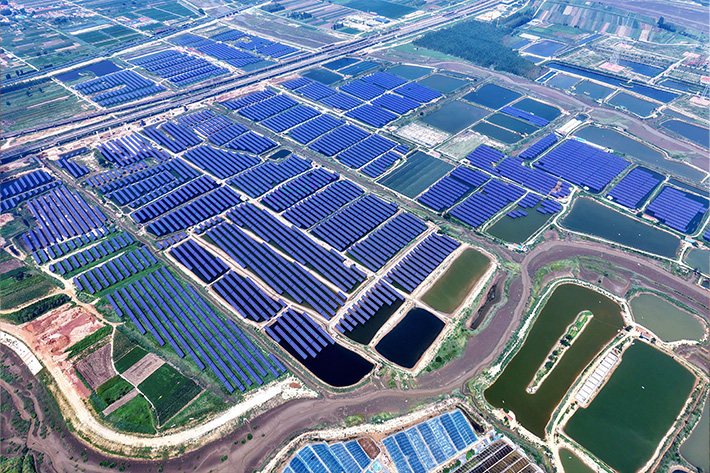
Still, key to the fall in fossil fuel use for electricity is China’s increasing rapid transition to renewable energy. Wind and solar now generate more than a quarter of the country’s electricity, think-tank Ember reported this year.
In November, hydropower volumes also rose 17.1% and were up 2.7% over the first 11 months, helping to reduce demand for thermal generation.
China’s overall power generation in November stood at 779.2 billion kilowatt hours, up 2.7% compared with the year-ago period, the data showed.
Over the first 11 months as a whole, power generation reached 8.86 trillion kWh, up 2.4% compared with the same period of last year, according to the statistics bureau data.
Emissions decline linked to power output
The fall in fossil fuel consumption for power generation has also helped China cut its overall carbon emissions.
China’s power sector makes up some 60% of its emissions. The country plans for its overall carbon emissions to peak before 2030 and to fall to a net zero before 2060. So far this year, power sector emissions have declined by about 2%, Carbon Brief reported in November.
That’s despite concerns that extreme weather or stronger than expected industrial growth could upend the steady declines in fossil fuel use for power.
China is expected to meet or exceed 2024’s record increase in renewable energy capacity as developers rush to meet the targets of its 14th five-year plan by the end of this year. Analysts expect thermal power output to continue to fall or plateau.
The last time thermal power output fell year-on-year was in 2015, when overall energy demand growth slowed amid a stock market crash and slowing economic growth.
- Reuters, with additional editing and inputs from Vishakha Saxena
Also read:
Renewables Top Coal Power for First Time in First Half of 2025
China’s Losses From Floods, Disasters in First Half: $7.6 Billion
China Passes 1 Terawatt of Solar Power, Government Says
Asia-Pacific ‘Faces $500bn Yearly Floods Hit if Warming Continues’
Indonesians Blame Deforestation For Floods, Landslides; 700 Dead
China Emissions Fall In First Half
China’s Mines Poisoning SE Asian Rivers, Global Food Supplies
Climate Chaos ‘Could Disrupt Half of Global Chipmaking by 2050’