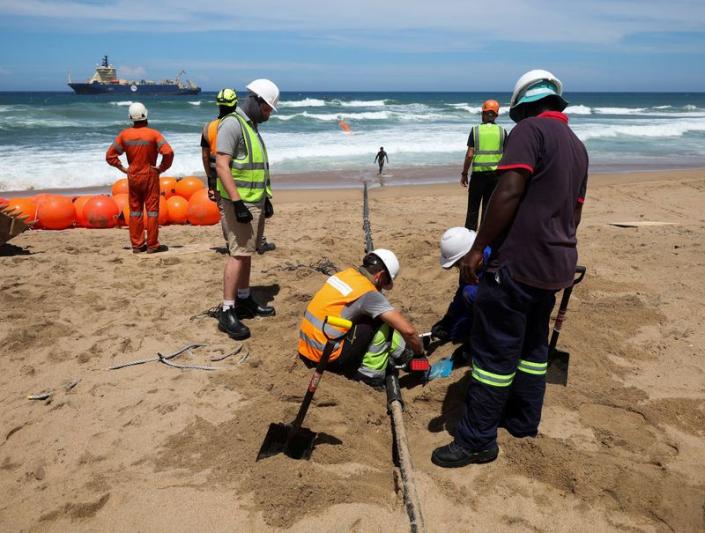
The Australian government has agreed to pay Google to lay three subsea cables to Papua New Guinea (PNG), which will provide a vital digital link to the biggest island nation in the Pacific.
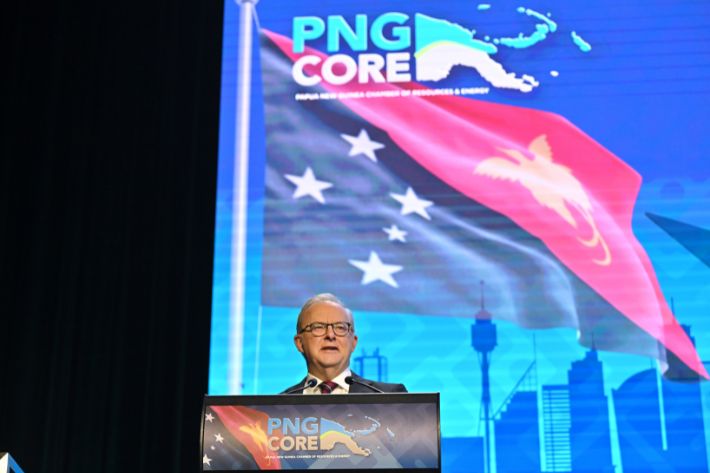
The PNG government announced the news on Friday, saying the deal with Alphabet’s Google will be funded by Australia under a mutual defence treaty.
Australian and US military strategists view resource-rich but largely under-developed Papua New Guinea as having a prized location north of Australia at a time when China is boosting its influence in the region.
ALSO SEE: Political Instability Claims Another Thai PM; New Poll in Jan-Feb
The $120-million effort will link northern and southern Papua New Guinea and the Bougainville autonomous region with high-capacity cables, Peter Tsiamalili, PNG’s acting minister for information and communications technology, said.
“The entire investment (is) funded through Australia’s commitments under the Pukpuk Treaty,” he said in a statement, referring to the mutual defence pact signed in October.
The project reflected both nations’ shared commitment to advance digital security, regional stability, and national development, he added.
Digital boost
The subsea cables will be built by Google, the statement said, adding that Tsiamalili met Australian and US diplomats to discuss the project at Google’s Australian office this week.
A Google Australia spokeswoman declined to comment on the PNG project. And Australia’s foreign affairs department did not immediately respond to a request for comment.
The three international-grade subsea cables will cut reliance on single points of failure, and position PNG to attract investment from hyper-scalers and global digital enterprises, Tsiamalili said.
The pact between Australia and PNG, known as the Pukpuk Treaty, gives Australian defence personnel access to PNG communications systems, including satellite stations and cables, its text shows.
Reuters previously reported Google planned to build a data hub on Australia’s Indian Ocean outpost of Christmas Island, another strategic defence location.
Two new cables are planned to link it eastwards with Australian cities hosting key defence bases also used by the US military.
Google confirmed the Christmas Island data hub last month, saying two more cable systems would link its westwards with Africa and Asia, to “deepen the resilience” of internet infrastructure.”
The United States is also strengthening military ties with PNG, signing a defence cooperation pact in 2023. The US has also been supporting underwater cables to Pacific island nations such as Guam.
- Reuters with additional editing by Jim Pollard
ALSO SEE:
Google to Build AI Data Centre on Island off Northwest Australia
Underwater Drone Deal as Australia Ramps up Maritime Defences
US Keen to Control More Ports, Cut China’s ‘Maritime Advantage’
Japanese Shipbuilder Wins $6.5 Billion Warship Deal With Australia
Australian Government Sues China-Linked Rare Earth Investors
China’s Sanctions on Hanwha Target US-Korean Shipbuilding Plan
CK Hutchison Ports Deal Deeply Entangled in US-China Trade War
US to Ban Chinese Tech, Equipment in Undersea Telecom Cables
Chinese Vessel Suspected of Cutting Baltic Subsea Cables
Taiwan Says Chinese Ships Severed Island’s Internet Cables – AP
Taiwan Invasion ‘Could Wipe Off up to $1 Trillion Per Year’
Shipyard Image Exposes China’s Massive Naval Build-up